Managing Anxiety in Everyday Life
By MindWell Team · 3/12/2026 · 4 min read
Anxiety is a normal part of being human. It activates the body's "fight-or-flight" response, alerting us to potential dangers and helping us prepare for challenges. The problem arises when this response becomes excessive, frequent, or disconnected from actual threats — interfering with work, relationships, and daily life.
This article shares evidence-informed strategies to manage everyday anxiety. It is not a substitute for professional support. If anxiety significantly affects your functioning, please consider speaking with a qualified mental health professional.
Understanding What Anxiety Feels Like
Common experiences include:
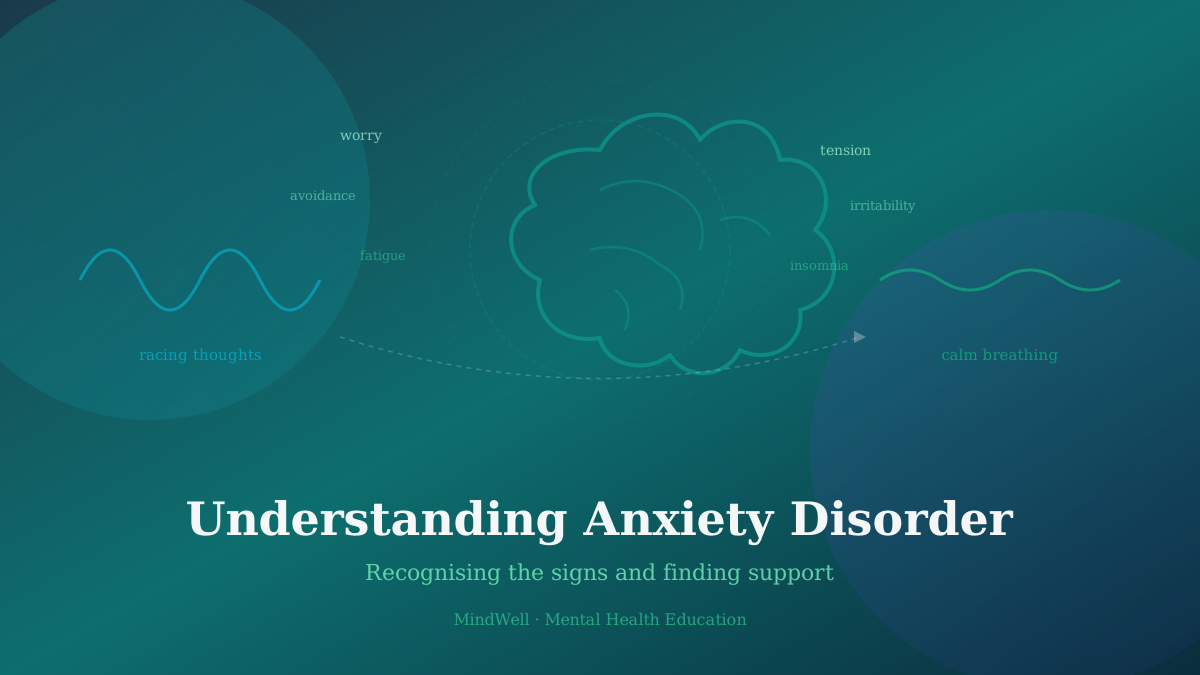
- Persistent worry that feels hard to control
- Physical tension (tight chest, muscle tightness, restlessness)
- Difficulty concentrating or sleeping
- Irritability or feeling on edge
- Avoiding situations that trigger worry
Recognising these signs early can help you respond more skillfully rather than react automatically.
Practical Strategies Supported by Research
1. Slow Your Breathing
When anxious, breathing tends to become fast and shallow, which can increase physical tension. Slower, deeper breathing activates the parasympathetic nervous system — the body's "rest and digest" mode.
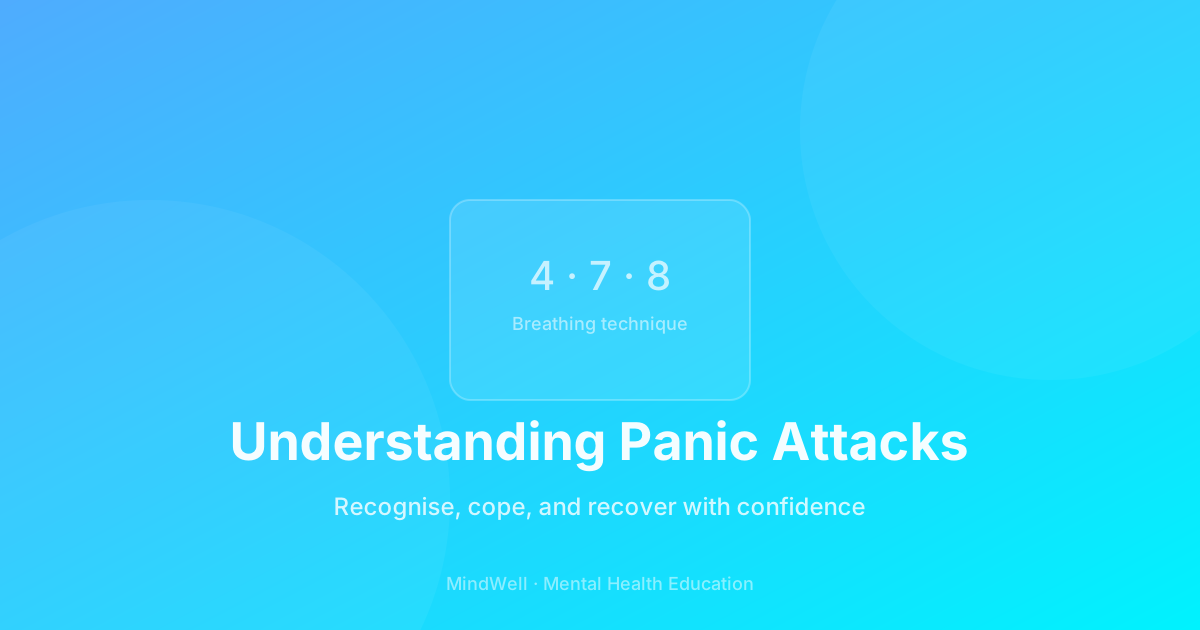
Try this: Inhale slowly for 4 counts, hold for 4, exhale for 6–8 counts. Repeat 5–10 times.
Research published in *Frontiers in Psychology* (2017) found that slow breathing practices reliably reduce both self-reported anxiety and physiological markers of stress.
2. Ground Yourself in the Present Moment
Anxiety often involves worry about future events that may or may not happen. Grounding techniques bring attention to the present moment and interrupt the worry cycle.
5-4-3-2-1 technique:
- Name 5 things you can see
- 4 things you can touch
- 3 things you can hear
- 2 things you can smell
- 1 thing you can taste
3. Schedule Worry Time
Setting aside a dedicated 15–20-minute "worry window" each day can prevent anxiety from spreading throughout the day. When worrying thoughts arise outside this window, note them and return to them at the scheduled time.
Research supports this technique (popularised in Worry Exposure and Cognitive Behavioural Therapy programmes) as a way to reduce generalised worry.
4. Move Your Body
Regular physical activity is one of the most consistently supported ways to reduce anxiety symptoms. Even a 20–30-minute brisk walk can shift mood by releasing endorphins and reducing stress hormones like cortisol.
The American Psychological Association and numerous clinical guidelines include exercise as a recommended complementary strategy in anxiety management.
5. Limit Caffeine and Alcohol
Both substances can worsen anxiety. Caffeine stimulates the sympathetic nervous system and can mimic anxious arousal. Alcohol may initially feel calming but disrupts sleep quality and often increases anxiety the next day.
Monitoring your intake — especially during stressful periods — can have a meaningful effect.
6. Practice Cognitive Restructuring
When a worrying thought arises, ask:
- Is this thought based on fact or assumption?
- What is the realistic worst case? Could I cope with it?
- What would I say to a friend in this situation?
This process — central to Cognitive Behavioural Therapy (CBT) — helps identify and gently challenge unhelpful thinking patterns.
7. Build a Consistent Sleep Routine
Poor sleep and anxiety have a bidirectional relationship: anxiety disrupts sleep, and poor sleep worsens anxiety. Keeping a consistent sleep and wake schedule, limiting screen use before bed, and avoiding heavy meals in the evening supports better rest.
When to Seek Professional Support
These strategies are helpful for manageable, everyday anxiety. However, if you experience:
- Anxiety that persists for weeks and significantly limits daily life
- Panic attacks
- Avoidance so severe it affects work, relationships, or basic functioning
- Thoughts of self-harm
…please reach out to a qualified mental health professional, a GP, or — in a crisis — a helpline.
Bangladesh crisis helpline (24/7): Kaan Pete Roi – 01779-554391
MindWell's psychologists directory and crisis resources page are available to help connect you to support.
Summary
Anxiety management is a skill that improves with practice. Breathing exercises, grounding, regular exercise, sleep hygiene, and cognitive techniques all have meaningful evidence behind them. Start with one or two strategies and build gradually. Progress is rarely linear — compassion toward yourself matters as much as any technique.
*Disclaimer: This article is for educational purposes only. It is not intended as medical advice, diagnosis, or treatment. Please consult a qualified healthcare professional for personal guidance.*